
Connection, Community and Loneliness
The Power of Connection
In the world of care, compassion is at the heart of everything we do. But while we focus on supporting others, it’s vital we don’t overlook the wellbeing of our care workers and other staff in the sector themselves. One of the most powerful — and often underestimated — tools for wellbeing is human connection. We're referring to genuine connections, not 'friends on social media' or saying we're 'fine' when we're really not.
Connection
The Five Ways to Wellbeing, developed by the New Economics Foundation and widely promoted by the NHS, include:
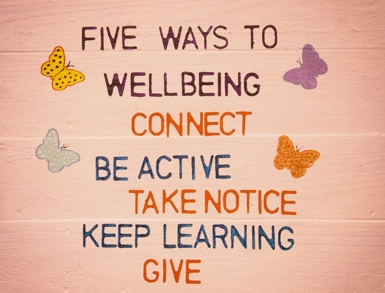
- Connect
- Be active
- Take notice
- Keep learning
- Give
Connection is listed first — and for good reason. Meaningful relationships and a sense of belonging are essential for mental and emotional health. Whether it’s a chat with a colleague, a shared laugh with a client, a thank you from a manager or colleague, or a moment of kindness from a stranger, these interactions help us feel seen, valued, and supported.
Why Community Matters in Care
Being part of a community — whether at work, in your neighbourhood, or through shared interests — provides support against stress and isolation. According to the NHS, community support can significantly improve mental health, especially during challenging times.
For care workers, who often work long hours in emotionally demanding roles, a strong sense of community can:
- Reduce feelings of burnout and loneliness
- Improve job satisfaction and retention
- Foster peer support and shared learning
- Create a culture of empathy, resilience and kindness
Tackling Loneliness — For Staff and Clients
The Marmalade Trust, the UK’s leading loneliness charity, reminds us that loneliness is a normal human emotion — not a weakness. It can affect anyone, including those in caring professions.
For Staff:
- Encourage peer support groups or regular team check-ins, without a formal agenda - let the conversation go wherever it naturally goes
- Create safe spaces to talk about mental health without stigma
- Celebrate small wins and moments of connection in the workplace
- Look at our wide range of resources and ideas to support your staff in our team meeting support page
- Look for signs that colleagues may be feeling disconnected or lonely, anyone can do this, not just managers
-
- Emotional signs:
- Withdrawal from team conversations or social activities
- Low mood or signs of sadness without clear cause
- Increased irritability or emotional sensitivity
- Expressing feelings of being unseen or unappreciated
- Behavioural signs:
- Avoiding breaks or spending them alone
- Reduced engagement in team meetings or training
- Reluctance to ask for help or share personal updates
- Overworking as a way to avoid downtime
- Physical or health related signs:
- Fatigue or low energy
- Changes in appetite or sleep
- Frequent minor illnesses (linked to stress and low immunity)
- Neglecting self-care or appearance
- Work-related indicators:
- Drop in performance or enthusiasm
- Increased absenteeism or lateness
- Lack of motivation or sense of purpose
- Difficulty concentrating or making decisions
- What you can do:
- Check in regularly — even a simple “How are you really doing?” can open the door
- Create peer support spaces — informal chats, buddy systems, or reflective practice groups
- Encourage breaks and boundaries — loneliness can be masked by overworking
- Signpost to support see our Mental Health support page, Menopause page, Neurodiversity page or any other relevant pages in the Wellbeing A-Z for more information and resources
-
The Wellbeing Line recently hosted a webinar on 'How to Have Mental Health Conversations'. The webinar looks at what we can do to have compassionate conversations with others about their mental health. This covers: how to introduce the topic, how to listen with compassion, and how we can best respond. It's 30 minutes long, so grab a drink and a notebook and watch it here.
- Emotional signs:
For Clients:
- Facilitate social activities or community engagement
- Encourage intergenerational connections (e.g. school visits, pen pals, think of things relevant to your/their situation - let your mind wander and create the perfect solution for everyone)
- Use technology to help them stay in touch with loved ones
- Refer to charities like the Marmalade Trust (for any age), or The Silver Line (for anyone over 55 years old, the service is run by Age UK), for additional support
Building a Culture of Connection
Creating a culture where connection is valued starts with small, intentional actions:
- Greet each other warmly
- Share stories and experiences
- Listen without judgment
- Celebrate diversity and inclusion
- Make time for joy and laughter
Have a look at our Learn Something New page for more ideas. Learning often involves social interaction, whether it's through classes, group activities, volunteering, or online communities, helping to build and strengthen relationships.
In care, we often talk about “person-centred” support. Let’s extend that same compassion to ourselves and our colleagues. When we feel connected, we care better — for others and for ourselves.

Go to our Wellbeing A-Z main page for more topic areas.