
Team Meetings - Looking after your Team's Health and Wellbeing
Actively Supporting Care Workers' Wellbeing During Team Meetings
The Importance of Wellbeing for Care Workers
Care workers are vital to society, offering essential support to those in need. Their demanding work can lead to stress, and burnout, highlighting the importance of supporting their wellbeing. Wellbeing in health and social care includes physical, mental, emotional, and social satisfaction. Poor wellbeing among care workers can result in more errors, lower care quality, and higher staff turnover. Promoting wellbeing ensures care workers can provide optimal support while maintaining their own health and happiness.
Team meetings are key for effective care management, offering a space for connection, support, and stress reduction. Focusing on wellbeing in these meetings can boost morale, strengthen relationships, and improve overall team health and happiness, leading to better care outcomes.
When care workers feel good about themselves and their work, they are more likely to provide high-quality care to their clients.
Nonetheless, it's essential to offer your team members different levels of involvement, as some might initially be hesitant but could grow more comfortable with time.

Strategies to Support Wellbeing in Team Meetings
Here are some ideas:
- Start with light-hearted icebreakers where team members share fun facts or interesting stories. This helps everyone get to know each other better. Ask team members to share a highlight from their week or something they are grateful for.
Examples of some questions to ask are available from the PDF document below.
This practice fosters positivity and allows team members to celebrate small wins together. - Incorporate Mindfulness Exercises: Integrate short mindfulness exercises, such as deep breathing or guided meditation, to help care workers relax and focus, this can set a calm and focused tone for the meeting
- Show and Tell: Dedicate a few minutes for team members to share something meaningful from their personal lives, like a hobby or a recent experience
- Encourage Open Communication: Create a safe space where care workers feel comfortable sharing their thoughts and concerns.
- Trivia or Quiz Games: Add friendly competition with trivia or quiz games related to your industry, company history, or general knowledge.
- Two Truths and a Lie: Play this classic game where team members share two truths and one lie about themselves, and others guess which is the lie. It's a fun way to learn surprising things about each other.
- Recipe Sharing: Invite team members to share their favourite recipes or cooking tips during the meeting
- Recognise and Celebrate Achievements: Take time to acknowledge the hard work and successes of your team. This can boost morale and reinforce a positive work environment.
- Provide Training and Development Opportunities: Use team meetings as a platform for ongoing training and professional development. This can help care workers feel more confident and competent in their roles
- Facilitate Peer Support: Encourage care workers to support each other by sharing experiences and advice. Peer support can be a powerful tool for building resilience and fostering a sense of community
- Team Building Games: Engage in fun team-building activities like icebreakers, scavenger hunts, or trivia games to boost morale and encourage collaboration.
- Get a guest speaker in to highlight certain topics in your team meetings, The Wellbeing Line offer this Service, see How we help | Wellbeing Line.
- Mental Health Support: Ensure your staff know where to go to access to mental health resources, such as counselling and therapy sessions, can help care workers manage stress, anxiety, and depression
- The Wellbeing Line offer 1:1 support to social care workers in Gloucestershire.
- The Care Workers Charity offers up to ten support sessions with qualified therapists Home - The Care Workers Charity trading as Care Workers Support
- Peer Support: Building a supportive community among care workers can foster resilience and provide mutual support. Peer support groups and networks can be valuable resources.
- This short 3 minute Brené Brown video shows the difference between sympathy and empathy and is very powerful, click here.
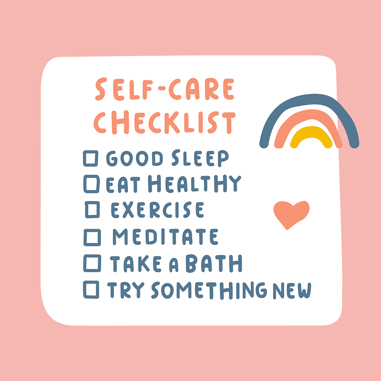
Does your organisation have a Wellbeing Champion? If not, maybe a member of staff could join The Wellbeing Line and be a channel of communication between The Wellbeing Line and your organisation. The Champion can be any member of staff, they don’t need to be a manager. See The Wellbeing Line | Proud to Care Gloucestershire for more information.
Supporting the wellbeing of care workers is not just beneficial for them but also for the quality of care they provide. By implementing strategies and activities that promote physical, mental, emotional, and social wellbeing, we can create a healthier, happier workforce capable of delivering exceptional care.
The Wellbeing Line recently hosted a webinar on How to Have Mental Health Conversations.
The webinar looks at what we can do to have compassionate conversations with others about their mental health. This covers: how to introduce the topic, how to listen with compassion and how we can best respond. Find the Webinar here.
Feel free to explore the links provided below for more detailed information and resources. If you’re aware of any others that could be useful for other teams, please share them with Proud the Care team, to add them to this page.
Other useful Resources and Links:
- A selection of activities for team meetings can be found here
- 5 Ways to Wellbeing | Mind - Mind
- Mind have a ‘Time to talk’ event every year, but resources are available all year round – go to Home - Mind
- 14 Fun Wellbeing Activities for Team Meetings
- Microsoft Word - Five_ways_to_wellbeing the evidence.doc
- Five Ways to Wellbeing by New Economics Foundation
- 10 Keys to Happier Living | Action for Happiness
- NHS England » Looking after your team’s health and wellbeing guide
- How to spot when an employee needs wellbeing support - FuturU
- Care Leaders Toolkit: Employee wellbeing checklist for managers - FuturU
- How to support your care home team’s wellbeing - FuturU
- 5 Ways to help someone struggling with their mental health | Mental Health Season - BBC Ideas
- Home - The Care Workers Charity trading as Care Workers Support
- Some helpful ideas for team activities: Teamwork Activities and Games | SessionLab
- Go to the BBC Improving Wellbeing and Resilience page for lots of ideas
- Access the calendar of campaigns and choose those that resonate or are suitable for your team. Many have a charity connected with them and some will have a page within this directory for more information. Click here to see if your chosen campaign has a page within this directory.
- You can sign up to receive Wellbeing emails or follow on their social media channels and occasional free webinars from:
Home - Art of Brilliance
Liggy Webb – Award-winning presenter and author on all things wellbeing, and based in Cheltenham - See the PDF Check-in Infographic
- Top Tips for Wellbeing Conversations
Videos:
Active Listening techniques:
- this YouTube video by Communication Coach Alexander Lyon summarises the key things you need to do to improve your active listening skills Active Listening Skills
- this article by the British Heart Foundation looks at the ten things you can do to improve your active listening skills. It frames the skills through supporting someone with health problems, but the underlying skills can easily be transferred Active listening: 10 tips to support someone - BHF
Below is a selection of videos that could be used as a conversation starter:
- The Five Ways to Wellbeing - boosting mental wellbeing (6 mins long)
- 5 Steps to Wellbeing Animation (2 mins long)
- It Means "I Need You": The Power of 8 Minutes – a powerful explanation of how just 8 minutes can be enough support someone (1 min long)
GCPA has teamed up with The Wellbeing Line to bring you a series of YouTube Shorts, designed to support the mental health and wellbeing of the staff within your organisations.
These bite-sized videos offer practical advice, tips, and insights to help you navigate challenges, manage stress, and explore the free offers available to you as an organisation, as a team and as an individual.
Videos about The Wellbeing Line:
-
- Support for teams (2 minute video)
- Support for Leaders (3 minute video)
- Support with stress ( 3 minute video)
- Getting help (2 minute video)
- What are Health and Wellbeing Champions? (2 minute video)
Please also see our pages:
Wellbeing Training offers can be found on our training directory page here.
Please go to our Wellbeing A-Z main page for more topic areas.